What is the Kinsey Scale? A Complete Guide to Sexual Orientation Spectrum
Have you ever wondered where you fall on the sexual orientation spectrum? Understanding ourselves is a fundamental human need, and the Kinsey Scale has helped millions explore their sexuality since its creation in 1948. As we've explored the complexities of human sexuality, we’ve crafted this guide to explain this revolutionary framework—and why taking our interactive Kinsey Scale test remains one of the most insightful ways to begin your self-discovery journey.
The Origins and History of the Kinsey Scale
Who Was Alfred Kinsey? The Research Pioneer Behind the Scale
Dr. Alfred Kinsey wasn’t just another academic—he was a biologist who dared to study human sexuality when few others would. His groundbreaking work at Indiana University challenged the rigid "gay or straight" binary, paving the way for modern understandings of sexual fluidity. Kinsey’s research revealed that sexuality exists on a spectrum, fundamentally shifting how science views human attraction.
The Revolutionary Kinsey Reports and Their Impact on Society
When Sexual Behavior in the Human Male was published in 1948, it sparked controversy—and liberation. By interviewing over 5,000 participants, Kinsey proved that same-sex experiences were far more common than society admitted. The follow-up Sexual Behavior in the Human Female (1953) further validated sexual diversity, laying the foundation for LGBTQ+ rights movements. These reports remain cornerstone texts in sexuality studies.
Understanding the Kinsey Scale: The 0-6 Spectrum Explained
What Each Number on the Kinsey Scale Represents (0–6)
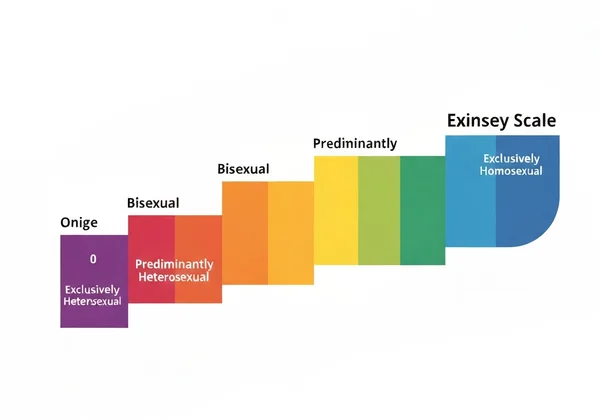
The Kinsey Scale’s 0 to 6 classification system measures attraction rather than behavior or identity:
- 0: Exclusively heterosexual
- 1-2: Predominantly heterosexual with incidental same-sex attraction
- 3: Equal heterosexual/homosexual attraction (bisexual)
- 4-5: Predominantly homosexual with incidental heterosexual attraction
- 6: Exclusively homosexual
Think of ratings like colors in a rainbow—boundaries blur between categories.
Decoding the "X" Category: Beyond the Traditional Spectrum
Kinsey’s “X” designation was remarkably progressive for its time, describing individuals with “no socio-sexual contacts or reactions.” Today, we recognize this as anticipating asexuality and demisexuality. Many modern users find “X” validates their experience when traditional labels feel restrictive.
The Science Behind the Kinsey Scale Methodology
How Kinsey Collected Data: Interview-Based Research Methods
Kinsey’s team perfected rigorous interview techniques, posing over 300 questions about fantasies, dreams, and actual experiences. While some criticized self-reported data, his “sex history” methodology was groundbreaking in prioritizing lived experience. Modern psychologists still adapt his approach when studying sensitive topics.

Statistical Significance and Modern Validation of Findings
Though criticized for sampling white college students, Kinsey’s core findings hold. Recent studies confirm that sexual fluidity remains widespread—one 2020 Journal of Sex Research paper found 45% of adults reported shifts in attraction. The Kinsey Scale endures because it reflects this nuance better than binary frameworks.
Practical Applications: Using the Kinsey Scale Today
Self-Discovery: How the Scale Can Help Understand Your Attractions
For many, the results offer a moment of clarity. Some users report that discovering their number helped them embrace an identity they had previously denied. Our free Kinsey Scale test provides similar clarity by:
-
Depersonalizing questions to minimize bias
-
Balancing attraction types (emotional vs physical)
-
Providing instant results with optional AI-generated analysis

Professional Applications in Therapy and Education
Counselors frequently use simplified Kinsey-inspired questionnaires to help clients articulate feelings. In schools, explaining the 0–6 spectrum reduces bullying by normalizing diversity. The Kinsey Scale's simplicity helps make discussions about attraction more accessible across cultures.
Limitations and Evolution: Beyond the Original Scale
Common Criticisms of the Kinsey Scale in Modern Context
No model is perfect, and the Kinsey Scale faces valid critiques:
- Overemphasizes behavior over identity
- Ignores gender diversity (uses binary male/female categories)
- Doesn’t account for romantic vs sexual attraction
Complementary Models: How Other Frameworks Expand on Kinsey’s Work
Modern tools like the Klein Sexual Orientation Grid add dimensions like past/present attraction and social preferences. However, many find the Kinsey Scale’s simplicity makes it the best starting point before taking deeper dives into specialized assessments.
Frequently Asked Questions About the Kinsey Scale
Is the Kinsey Scale still relevant today?
Absolutely—while nuanced frameworks like the Klein Grid exist, the Kinsey Scale remains the gold standard for introductory exploration of sexual orientation spectrums. Its simplicity makes it accessible to those new to sexuality studies.
Can I use the Kinsey Scale to determine my exact sexual orientation?
Use it as a compass, not a GPS. The scale reveals tendencies—not fixed labels. Many people take our updated Kinsey Scale test periodically to track evolving feelings.
How is the Kinsey Scale different from modern LGBTQ+ terminology?
Kinsey describes patterns of attraction, while terms like “pansexual” or “demisexual” emphasize identity and emotional connections. Both approaches have value in different contexts.
Are there any risks in using the Kinsey Scale for self-assessment?
While generally safe, avoid over-interpreting single results. Scores can fluctuate based on mood or life stage. For persistent distress about your score, consult a therapist specializing in sexuality issues.
Where can I find more information about Alfred Kinsey’s research?
Our website offers an expanded history section with links to Kinsey Institute archives, original study excerpts, and critiques from modern researchers.
Understanding your attractions is a courageous act of self-love. The Kinsey Scale may be over 70 years old, but its core insight—that sexuality is fluid, not fixed—resonates profoundly today. Whether you’re questioning, curious, or seeking validation, your Kinsey Scale journey starts here. Take our confidential test now to:
- Discover where you fall on the spectrum
- Receive your personalized score instantly
- Optionally unlock AI-powered insights about your results
The most profound discoveries begin with a single step. Begin your exploration today—your authentic self awaits.